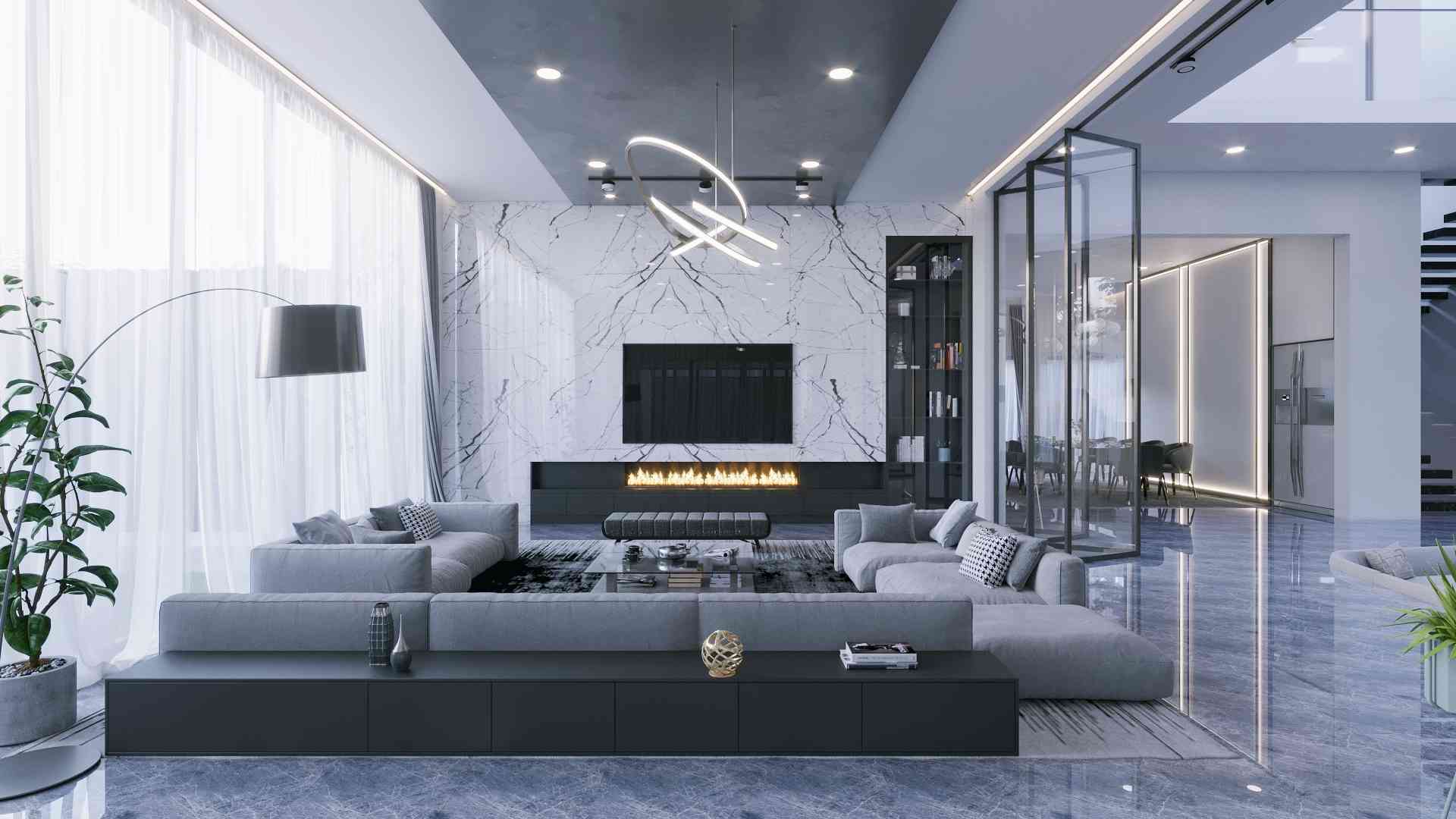
Maintaining and controlling common areas in residential or commercial properties is a critical aspect of property management. These spaces, often shared by multiple tenants or residents, require meticulous attention to ensure they remain functional, safe, and aesthetically pleasing. The responsibility for these areas typically falls on property managers or homeowner associations (HOAs), who must balance the needs and expectations of all stakeholders while adhering to budget constraints.
Effective maintenance begins with regular inspections. By routinely assessing the condition of common areas such as lobbies, hallways, stairwells, gardens, parking lots, and recreational facilities, potential issues can be identified early before they escalate into costly repairs. Inspections should cover various aspects including cleanliness, safety features like lighting and fire extinguishers, structural integrity of fixtures and fittings, as well as landscaping elements where applicable.
Once inspections are completed, it’s essential to prioritize tasks based on urgency and impact. Safety-related issues should always take precedence; for instance, malfunctioning lights in a parking lot pose security risks that need immediate attention. Similarly urgent are plumbing leaks that could lead to water damage if left unchecked. A structured maintenance schedule helps in systematically addressing both routine upkeep tasks—such as cleaning services—and more significant repair works.
Budgeting plays a crucial role ефективно управление на ремонтни дейности in maintaining common areas effectively. Property managers must allocate sufficient funds annually for both expected expenses like cleaning supplies or gardening services and unexpected repairs which might arise due to unforeseen circumstances such as severe weather conditions causing damage to outdoor amenities. Transparent financial planning not only ensures smooth operations but also builds trust among tenants or residents who contribute towards these costs through service charges or HOA fees.
In addition to physical maintenance activities lies the aspect of control over usage policies within these communal spaces. Establishing clear guidelines regarding their use prevents misuse that could lead to premature wear-and-tear or conflicts among users—be it noise restrictions in shared lounges after certain hours or designated play zones within garden spaces aimed at minimizing disturbances from children playing near quiet seating areas meant for relaxation purposes.